Phone: +91 72268 55955
  Email: info@elitefoodsandhospitality.com
Introduction
Food safety and hygiene are the backbone of any successful restaurant. No matter how good your food tastes, a single hygiene issue can damage your reputation, lead to heavy penalties, or even force your restaurant to shut down.
In 2026, as food safety regulations in India continue to tighten, customer awareness and expectations have risen sharply. Every restaurant—whether it’s a café, cloud kitchen, fine-dining outlet, or canteen—must strictly follow food safety and hygiene standards to operate legally and sustainably.
This blog explains the essential food safety and hygiene standards every restaurant must follow, along with practical steps to maintain compliance and customer trust.
Why Food Safety & Hygiene Are Critical for Restaurants
Food safety is not just a legal requirement—it directly affects:
- Customer health & trust
- Brand reputation
- Business continuity
- Online reviews & ratings
Poor hygiene can result in:
- Food contamination
- Customer illness
- Fines and legal action
- Permanent business closure
That’s why professional restaurant consultants place strong emphasis on food safety systems from day one.
Key Food Safety & Hygiene Standards Every Restaurant Must Follow
1. FSSAI Licensing & Compliance
Every food business in India must be registered or licensed under the Food Safety and Standards Authority of India (FSSAI).
Restaurants must:
- Obtain valid FSSAI license
- Display license number clearly
- Renew license on time
- Follow prescribed food safety rules
Failure to comply can lead to fines or closure.
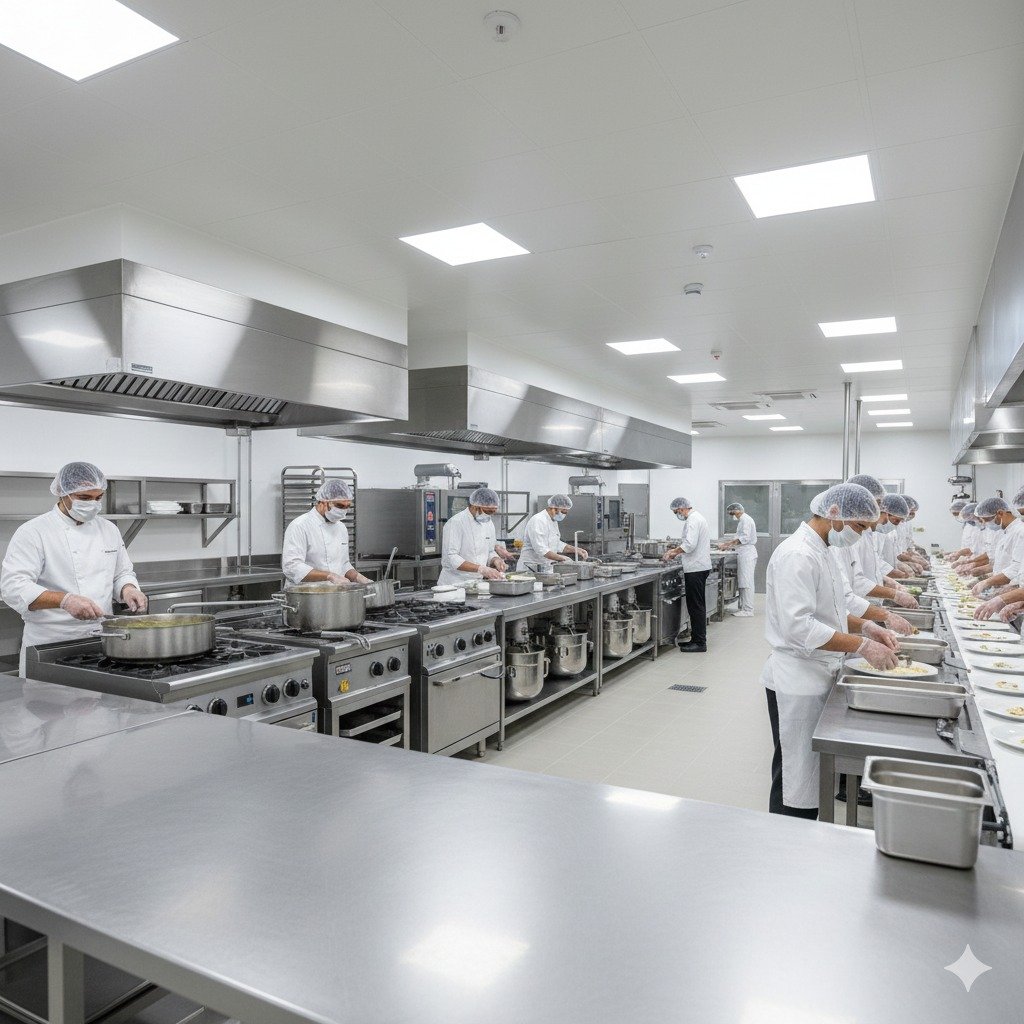
2. Personal Hygiene of Staff
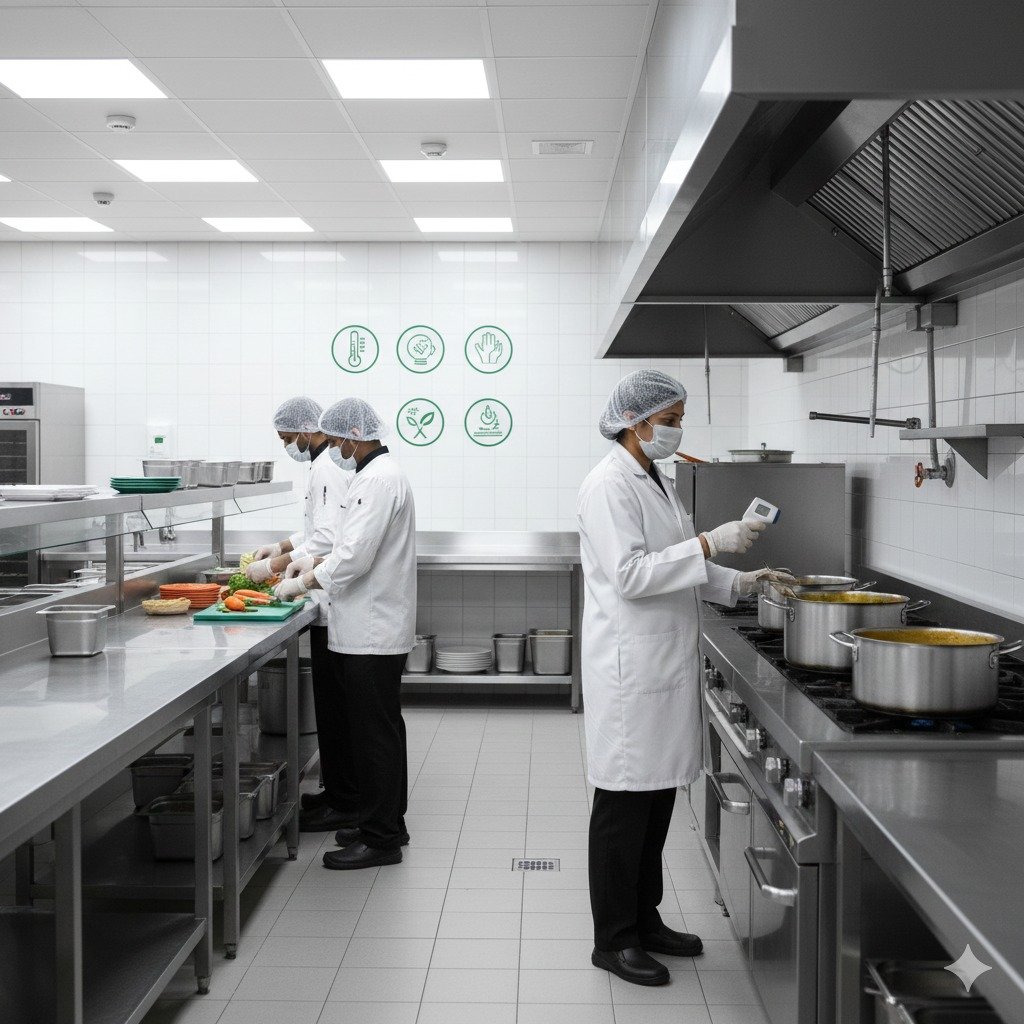
Restaurant staff hygiene is one of the most critical factors in food safety.
Mandatory Hygiene Practices
- Clean uniforms & aprons
- Hair caps and gloves
- Trimmed nails
- No jewelry while cooking.
- Regular hand washing
Staff with illness should never handle food.
3. Kitchen Cleanliness & Sanitation
A clean kitchen prevents food contamination and pest infestation.
Best Practices
- Daily cleaning schedules
- Sanitization of work surfaces
- Separate raw and cooked food areas
- Clean utensils and equipment
Professional restaurant kitchen planning helps design layouts that support hygiene.
4. Safe Food Storage Practices
Improper storage is a major cause of food spoilage.
Storage Guidelines
- Use FIFO (First In, First Out) method
- Store raw and cooked food separately
- Maintain correct refrigeration temperature
- Use labeled containers with dates
Proper storage reduces wastage and contamination risk.
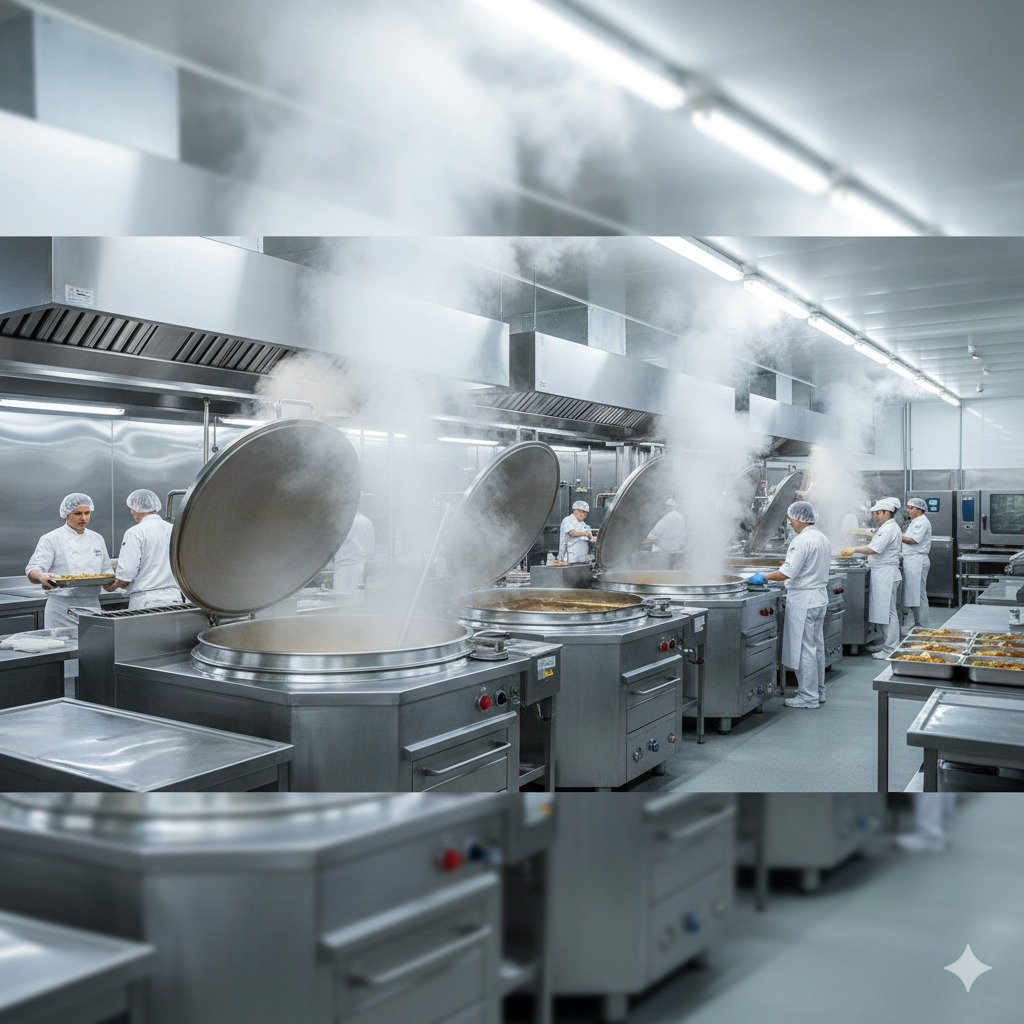
5. Temperature Control & Cooking Standards
Incorrect cooking temperature can cause food-borne illnesses.
Restaurants must:
- Cook food to safe internal temperatures
- Keep hot food hot and cold food cold
- Avoid reheating food multiple times
Temperature logs should be maintained daily.
6. Pest Control Measures
Rodents and insects are serious hygiene threats.
Preventive Measures
- Regular pest control treatment
- Covered drains and dustbins
- Clean storage areas
- No open food exposure
Restaurants must maintain pest control records for audits.
7. Waste Management & Disposal
Improper waste handling leads to odor, pests, and contamination.
Correct Practices
- Covered waste bins
- Separate wet and dry waste
- Regular disposal schedules
- Cleaning waste areas daily
Clean waste management improves overall kitchen hygiene.
8. Water Quality & Cleaning Supplies
Only potable (safe) water should be used for:
- Cooking
- Washing vegetables
- Cleaning utensils
Approved food-grade cleaning chemicals must be used to avoid chemical contamination.
9. Staff Training & SOP Implementation
Even good systems fail without training.
Professional restaurants implement:
- SOPs (Standard Operating Procedures)
- Regular hygiene training
- Food safety awareness programs
- Internal hygiene audits
Restaurant consultants help create and enforce these SOPs effectively.
10. Regular Audits & Documentation
Maintaining records is essential for compliance.
Restaurants should maintain:
- Cleaning schedules
- Temperature logs
- Pest control reports
- Staff training records
These documents protect your business during inspections.
Common Food Safety Mistakes Restaurants Make
- Ignoring staff hygiene
- Poor storage practices
- No SOPs or training
- Delayed license renewal
- Inconsistent cleaning routines
Most of these mistakes are avoidable with professional guidance.
Role of a Restaurant Consultant in Food Safety Compliance
A restaurant consultant helps you:
- Obtain and renew licenses
- Implement hygiene SOPs
- Train staff properly
- Prepare for inspections
- Avoid penalties and closures
Conclusion
Food safety and hygiene are non-negotiable in the restaurant business. Following proper standards not only protects your customers but also safeguards your brand and long-term success.
In 2026, restaurants that prioritize hygiene, staff training, and compliance will earn customer trust, better reviews, and sustainable growth. If you want to ensure complete food safety compliance, working with a professional restaurant consultant is the smartest move.